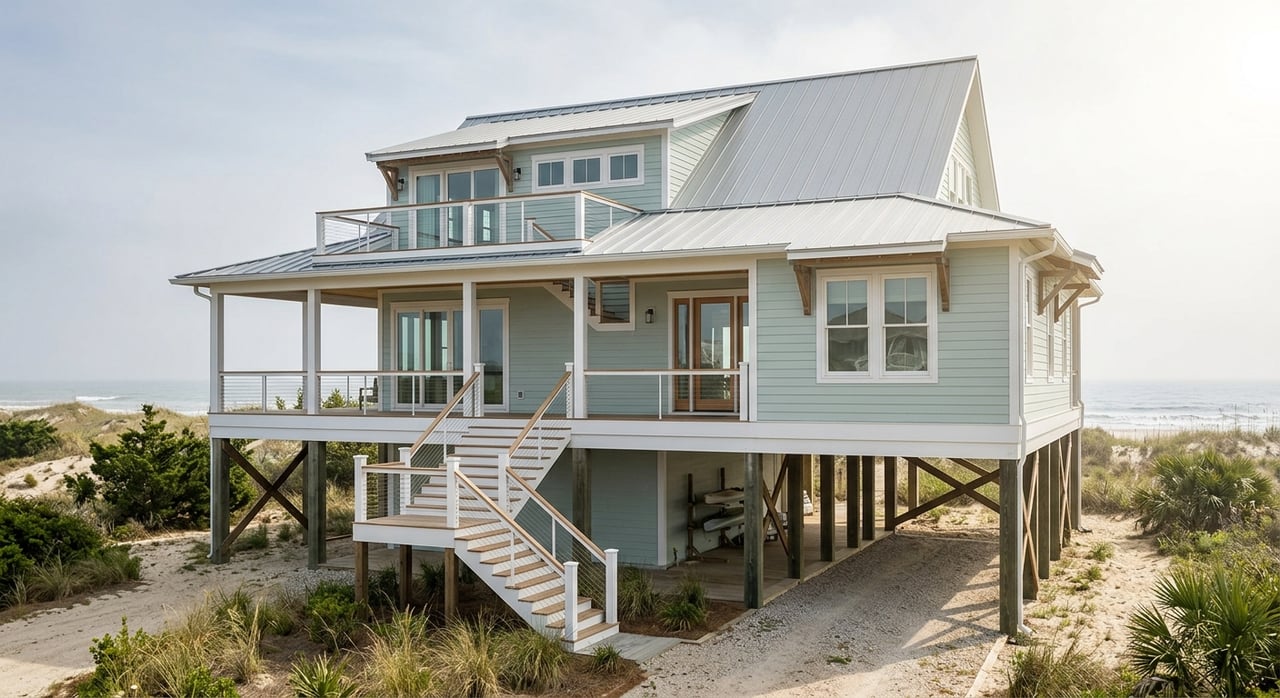
Dreaming about a place where your weekends start with salt air and end with sunset views? Buying a vacation home in North Topsail Beach can be exciting, but this stretch of coast also comes with details you do not want to overlook. If you are planning a second home, a future getaway, or a property you may rent at times, this guide will help you focus on the questions that matter most before you buy. Let’s dive in.
Why North Topsail Beach Needs Extra Planning
North Topsail Beach offers an 11-mile shoreline and the laid-back coastal setting many buyers picture when they start searching for a beach home. It is also a place where ownership decisions are closely tied to coastal rules, weather exposure, insurance options, and town-specific regulations.
That matters because coastal buying is not just about the home itself. According to the Town of North Topsail Beach, revenue from paid parking at town-controlled lots helps fund beach maintenance and nourishment, which shows how closely the community is connected to shoreline management.
The physical location of a property can affect both risk and cost. The North Carolina Department of Environmental Quality notes that oceanfront buyers take on risk from storms as well as daily wind, wave, and tide forces. In a market like this, due diligence is not optional. It is part of buying wisely.
Check CBRA Status Early
One of the first items to review is whether the property sits in a Coastal Barrier Resources Act area. The town says about 56% of North Topsail Beach's land mass is affected by CBRA, and homes within CBRA are ineligible for NFIP flood insurance.
That is a major issue for both financing and long-term ownership costs. If you wait until late in the process to confirm CBRA status, you could face insurance problems, lender issues, or a much different financial picture than expected.
Before you get too far into a property, make sure you understand how CBRA status affects that address specifically. This is one of the most important early filters when buying a vacation home in North Topsail Beach.
Get Your Financing Strategy Ready
If you are shopping from out of town, it can be tempting to fall in love with the view first and sort out financing later. A better move is to prepare before you tour seriously.
The Consumer Financial Protection Bureau recommends shopping with multiple lenders, getting preapproval, and using financing and inspection contingencies so you are not locked into the wrong purchase. For a coastal second home, that advice becomes even more important because insurance, flood zone issues, and property condition can all affect your final costs.
A strong preapproval also helps you understand your comfort zone beyond the purchase price. In North Topsail Beach, you will want to think through your full monthly and annual carrying costs, not just your mortgage payment.
Understand Flood Risk and Insurance
Flood risk should be reviewed address by address. The CFPB explains that if a mortgaged home is in a designated Special Flood Hazard Area, flood insurance is generally required, and standard homeowners insurance does not cover flood damage.
That means you should verify more than whether a seller currently has a policy. Use the FEMA Flood Map Service Center through FloodSmart to check the exact property for flood zone, floodplain boundaries, and base flood elevation.
It is also smart to ask direct questions about prior flood or disaster damage and how repairs were handled. A beautiful beach property can still have a history you need to understand before you move forward.
Budget for Taxes and Ownership Costs
When you buy a vacation home, your annual costs can shift over time. In Onslow County, the 2026 revaluation took effect January 1, 2026, and the county reported median values were up 37% since the 2022 revaluation.
The same county update notes that the new tax rate will be set in the FY 2026-27 budget, and county and municipal rates must be added together when applicable. For buyers, that is a reminder to look beyond the current tax bill and ask how future assessments may affect your budget.
You should also account for items such as:
- Flood insurance
- Homeowners insurance
- Utilities
- HOA or condo dues
- Maintenance reserves
- Storm prep and post-storm repairs
- Parking or access-related costs if they apply to your use
A vacation home should support your lifestyle, not surprise you with avoidable expenses.
Review HOA and Condo Rules Carefully
If you are buying a condo, townhome, or home in an owners' association, the governing documents deserve close attention. The North Carolina Real Estate Commission says most sellers must provide the Residential Property and Owners' Association Disclosure Statement before an offer is made.
For association properties, that disclosure can cover dues, special assessments, transfer fees, lawsuits, and amenities. Buyers should still do their own due diligence by reviewing covenants, budgets, and rules in detail.
This step matters even more if you plan to make updates later. The town's Building Inspections office notes that residential permit applications must comply with the 2018 NC State Residential Code, and if the dwelling is in an HOA or POA, plans should not conflict with those covenants.
If You Plan to Rent, Know the Rules
Many vacation-home buyers want flexibility. You may use the property part of the year and rent it for part of the year. If that is your plan, make sure you understand the legal and operational side before you buy.
In North Carolina, the Vacation Rental Act applies to stays under 90 days and requires a written rental agreement that outlines rights, obligations, deposits, and additional fees. That creates a structure you need to follow if you plan short-term stays.
Taxes also matter. Onslow County levies a 3% occupancy tax, and North Topsail Beach says it levies a 3% accommodation tax on rental receipts within town limits. Because booking models can vary, it is wise to have your closing attorney or property manager confirm how these taxes apply to the property you are considering.
Think Through Parking, Access, and Guest Use
Vacation homes are often judged by convenience, especially when family or renters arrive with beach gear, multiple vehicles, or larger groups. In North Topsail Beach, parking and beach access are worth reviewing before you commit.
The town says paid parking is enforced year-round at town-controlled lots, though residents and property owners can register two vehicles free with qualifying verification. If you expect guests or renters, you will want to know exactly how many vehicles the property can handle and what overflow options exist.
If the property depends on drive-on beach access, the rules are even more specific. The town's 4x4 permissible driving area page says year-round access passes are required, vehicles must have four-wheel drive, and the speed limit in the drive-on area is 5 mph.
Confirm Utilities and Service Setup
Before closing, it helps to know who provides the basics. The town's utilities page says water and sewer are provided by ONWASA, while electric service is provided by Jones-Onslow EMC.
This may sound simple, but utility setup can affect your move-in timeline, rental readiness, and budgeting. If you are buying from out of state, getting these details organized early can make your first few weeks of ownership much smoother.
Know What Permits May Be Needed
If you are buying a fixer-upper, planning renovations, or considering a property that may need mitigation work, permit research should happen before closing whenever possible. Coastal properties can involve more layers than inland homes.
The town says zoning, flood, and CAMA permits, when applicable, must be obtained before a building permit is submitted. The state also explains that CAMA permits are required for development in coastal counties when work affects an area of environmental concern.
If your renovation ideas include changing bedroom count or occupancy, the town notes that permit revisions may require updated sewer or septic documentation. That is one more reason to match your vision with the rules before you buy.
Use Local Flood Protection Resources
North Topsail Beach offers practical support for owners who want to reduce risk. The town's flood protection assistance program includes property-protection advice, site visits, and guidance on possible financial assistance.
If you are comparing two homes, this kind of resource can help you think beyond the sale and into long-term ownership. It is especially helpful if you are planning upgrades, retrofits, or resilience improvements after closing.
Protect Yourself During Closing
A beach purchase can move quickly, especially when inventory is limited. Even so, do not rush the closing details.
The CFPB recommends researching title and settlement providers early and warns that mortgage closing scams often target buyers in the final days before closing. Taking a few extra steps to verify wiring instructions and confirm every provider can help protect your funds and keep your transaction on track.
Plan for the First Year of Ownership
Once you close, the next phase begins. In a coastal town, first-year ownership is not just about furnishing the home and planning your next trip.
North Topsail Beach has a hurricane re-entry pass system designed for property owners, long-term renters, and property managers when access is restricted after a disaster. If you will not be local full-time, that is worth understanding early.
If you plan to rent the home, the town also asks owners to leave renters a visitor guide and rip-current materials, and it notes that it currently does not have lifeguards on the beach. That small operational detail can become an important part of responsible guest preparation.
A Smart Buying Checklist
Before you move forward on a vacation home in North Topsail Beach, make sure you have answers to these questions:
- Is the property in a CBRA area?
- What flood zone is the home in?
- Will flood insurance be required, available, and affordable?
- Has the property had prior flood or storm damage?
- What are the current and projected tax implications?
- Are there HOA dues, special assessments, or rental restrictions?
- If you plan to rent, how do state rental rules and local taxes apply?
- How do parking and beach access work for owners and guests?
- What permits would be needed for future improvements?
- What storm-readiness steps should you plan for after closing?
Buying a vacation home here can be a great lifestyle move, but the best purchases are the ones backed by clear information and local guidance.
When you are ready to explore North Topsail Beach with a local, detail-focused approach, connect with Joseph Zuba. You will get concierge-level guidance tailored to your goals, whether you are searching for a second home, a coastal condo, or a property with part-time rental potential.
FAQs
What should you check first when buying a vacation home in North Topsail Beach?
- Start by confirming the property's CBRA status, flood zone, insurance options, and any HOA or rental restrictions.
Does flood insurance matter for a second home in North Topsail Beach?
- Yes. If the home is in a Special Flood Hazard Area and you are getting a mortgage, flood insurance is generally required, and standard homeowners insurance does not cover flood damage.
Can you use a North Topsail Beach vacation home as a short-term rental?
- Possibly, but you should review the North Carolina Vacation Rental Act, check any HOA rules, and confirm how local occupancy and accommodation taxes apply to that specific property.
Are property taxes changing in Onslow County for North Topsail Beach buyers?
- Onslow County's 2026 revaluation took effect January 1, 2026, and tax rates are set annually, so buyers should review both assessed value and combined county and municipal tax impacts.
Do you need permits for renovations on a North Topsail Beach vacation property?
- In many cases, yes. Depending on the work, zoning, flood, and CAMA permits may be required before a building permit can be submitted.
What local ownership details matter after closing in North Topsail Beach?
- Important post-closing items include utility setup, hurricane re-entry planning, parking registration if eligible, and safety information for guests if you plan to rent the home.