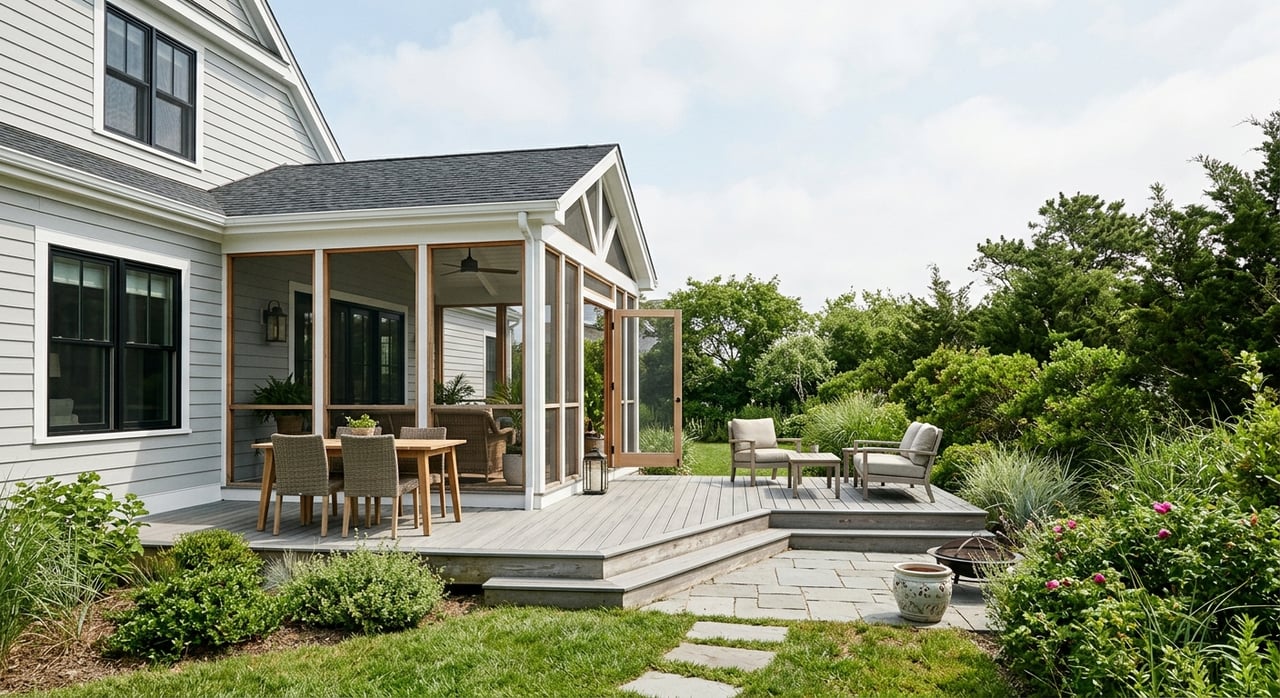
Dreaming about a better backyard in Hampstead? You are not alone. In a place where warm weather stretches from early spring through November, outdoor space is more than a bonus. It is part of how you live at home. The right setup can help you enjoy the coastal lifestyle, cut down on maintenance, and even support resale appeal when the time comes to move. Let’s dive in.
Why outdoor living matters in Hampstead
Hampstead’s setting makes outdoor living feel natural. Pender County describes the area as shaped by beaches, rivers, woodlands, and active outdoor use, which helps explain why porches, patios, and backyard gathering spaces are so popular here.
At the same time, coastal living comes with real weather demands. The National Weather Service in Wilmington notes spring risks that include severe thunderstorms, hail, tornadoes, and coastal flooding, while hurricane season can bring flooding and wind damage across eastern North Carolina. That means your outdoor space should feel inviting, but it also needs to be practical.
Start with shade and shelter
If you want an outdoor upgrade that fits Hampstead well, begin with comfort. Covered porches, screened rooms, patios, and decks can help you use your yard longer through the year while offering some protection from sun and passing rain.
A simple covered area often gives you more flexibility than a highly customized build. You can use it for morning coffee, casual dinners, or a quiet place to unwind after a day on the water. In a warm coastal area, comfort and ease usually matter more than adding every possible feature.
Screened porches for longer use
A screened porch can make outdoor time feel easier and more relaxed. It adds airflow and shade while creating a defined living area that feels connected to the yard.
For many Hampstead homeowners, this type of space strikes the right balance. It feels coastal and comfortable without becoming overly complicated to maintain.
Decks and patios that stay simple
A deck or patio can work well when the design is clean and functional. Think open sightlines, enough room for seating, and materials that suit regular weather exposure.
According to the National Association of Realtors’ 2023 outdoor-features research, homeowners rated projects like a new patio, a new wood deck, and a fire feature among the most satisfying outdoor improvements. That makes a strong case for upgrades that are enjoyable now and easy for future buyers to understand.
Choose landscaping that fits coastal conditions
A beautiful yard in Hampstead does not have to mean high upkeep. In fact, lower-maintenance landscaping is often the smarter move because coastal plain soils can be sandy, low in fertility, and less able to hold moisture, according to NC State Extension.
That is why drainage, mulch, and practical plant selection matter so much. A plan that works with local soil and weather conditions can help you spend less time replanting, watering, and troubleshooting stressed plants.
Focus on controlled, realistic planting
Instead of trying to fill every inch with thirsty turf, consider a more balanced approach. Native shrubs, mulch, well-drained planting beds, and smaller lawn areas can make your yard easier to manage.
This kind of layout also fits the local setting. It looks polished, supports outdoor use, and helps your property feel tidy without demanding constant attention.
Native and coastal-tolerant plant ideas
North Carolina Sea Grant’s Coastal Landscapes Initiative supports the use of coastal-friendly planting choices that are functional, cost-efficient, and environmentally mindful. For Hampstead homeowners, that can mean looking at plants that handle sun, sandy soil, salt exposure, or periods of dryness.
A few examples from NC State resources include:
- Shore juniper for dry, sandy areas and erosion control
- Carolina cherry laurel for a salt-tolerant hedge or privacy screen
- Coastal sweet-pepperbush for rain gardens or stormwater-prone spots
- New Jersey tea for a drought-tolerant, low-maintenance planting option
These kinds of plants can help your yard feel more rooted in the coastal landscape. They also support the bigger goal of creating a yard that is easier to maintain over time.
Add lighting for everyday function and curb appeal
Outdoor lighting is one of the simplest ways to improve how your home looks and feels. It can make walkways and gathering areas easier to use while also giving the exterior a finished, welcoming appearance.
This is also one of the outdoor updates with broad appeal. NAR’s research found that landscape lighting ranked high among satisfying projects, and it fits especially well in a market where curb appeal matters. If you plan to sell in the future, lighting can be a smart low-drama upgrade.
Make storage part of the plan
In Hampstead, outdoor living often goes hand in hand with boating, paddling, and gear storage. Pender County highlights local recreation and river access, and Millers Pond Park includes a canoe and kayak launch. That makes practical storage a real consideration, not just an afterthought.
If you own kayaks, a small boat, or a trailer, think about how storage fits into your yard layout from the start. A clean, organized setup can make your property more functional and help preserve usable outdoor space.
Know the county rules first
Before adding a shed, utility structure, or storage area, check local requirements. Pender County states that a zoning permit is always required, even when some small structures may be exempt from building permits.
The county also notes that accessory structures from 50 to 599 square feet must be at least 10 feet from property lines, easements, and other structures. If you are thinking about a detached storage building or a covered gear area, that setback rule matters.
Boat and trailer storage basics
Pender County is also clear about storage rules for boats, trailers, and recreational vehicles. They may be stored in a driveway, garage, carport, or in the side or rear yard of an established primary residence or principal lot for storage only.
Boats, vehicles, and RVs cannot be stored on vacant property. If your outdoor living plan includes side-yard storage or a dedicated pad, it is worth confirming that the layout works with current county guidance.
Plan for drainage and flood risk
One of the smartest outdoor improvements is not always the most visible one. In a coastal area, drainage and flood planning can make a major difference in how well your yard performs during heavy rain.
If your property is in or near a flood-prone area, outdoor projects may involve more than design choices. Pender County states that all building in the floodplain requires a Flood Development Permit, and new flood maps were adopted in January 2025. In some coastal areas, CAMA review may also be needed before flood and building permits are issued.
Projects that may need extra review
This matters for additions like:
- Screened rooms
- Decks and porches
- Storage buildings
- Major hardscape work
If your lot has floodplain or coastal-area considerations, it is smart to confirm requirements early. That can help you avoid delays and make better decisions about placement, materials, and budget.
Keep irrigation practical
Because sandy soils do not hold water well, it is easy to assume more irrigation is the answer. Sometimes it helps, but the better long-term strategy is usually a yard that needs less water in the first place.
That is where mulch, plant choice, and bed design can do a lot of the heavy lifting. If irrigation is part of your plan, Pender County Utilities provides outdoor water-conservation resources and information about separate irrigation-meter requirements, so it makes sense to keep efficiency in mind.
Think about resale while you design
Your outdoor space should work for your life now, but it is also wise to think ahead. In many cases, the best resale improvements are not the flashiest ones. They are the upgrades that make a home feel easy to enjoy and easy to maintain.
NAR’s outdoor-features research found that 92% of REALTORS recommended improving curb appeal before listing, and landscape maintenance showed the strongest cost recovery at 104%. In a place like Hampstead, that supports a simple idea: clean landscaping, usable outdoor living areas, and sensible storage can tell a stronger resale story than an oversized backyard project with narrow appeal.
Best outdoor ideas for Hampstead homes
If you want a quick starting point, these ideas fit well with Hampstead’s climate, soil, and lifestyle:
- A covered porch for shade and longer seasonal use
- A screened room for comfort and airflow
- A simple deck or patio with space for seating
- Landscape lighting for function and curb appeal
- Native or coastal-tolerant planting beds
- Mulched areas and reduced turf for easier maintenance
- Organized kayak, boat, or trailer storage that follows county rules
- Drainage-minded design for heavy rain and flood awareness
The goal is not to copy someone else’s backyard. It is to create an outdoor space that feels natural for your property, easy to care for, and useful in everyday life.
If you are thinking about improving your Hampstead home and want guidance on what buyers tend to value in coastal properties, Joseph Zuba can help you make smart, lifestyle-focused decisions with local insight.
FAQs
What outdoor living upgrades make sense for Hampstead homes?
- Covered porches, screened rooms, simple decks or patios, outdoor lighting, and low-maintenance landscaping all fit Hampstead’s warm coastal climate and practical outdoor lifestyle.
What landscaping works well in Hampstead, NC?
- Landscaping that uses native or coastal-tolerant plants, mulch, well-drained beds, and limited turf is often a practical choice because coastal plain soils can be sandy and hold less moisture.
What plants are good for coastal yards in Hampstead?
- Examples supported by NC State resources include shore juniper, Carolina cherry laurel, coastal sweet-pepperbush, and New Jersey tea.
Do outdoor structures in Pender County need permits?
- Pender County says a zoning permit is always required, even if a structure may be small enough to be exempt from a building permit.
Can you store a boat or trailer at a Hampstead home?
- Pender County allows boats, trailers, and RVs to be stored in a driveway, garage, carport, or in the side or rear yard of an established primary residence or principal lot for storage only.
What flood rules affect outdoor projects in Hampstead?
- Pender County states that all building in the floodplain requires a Flood Development Permit, and some coastal-area projects may also need CAMA review before permits are issued.
Do outdoor improvements help resale in Hampstead?
- They can, especially when the updates improve curb appeal and feel easy to maintain, with NAR research showing strong support for landscape maintenance, lighting, patios, and decks.