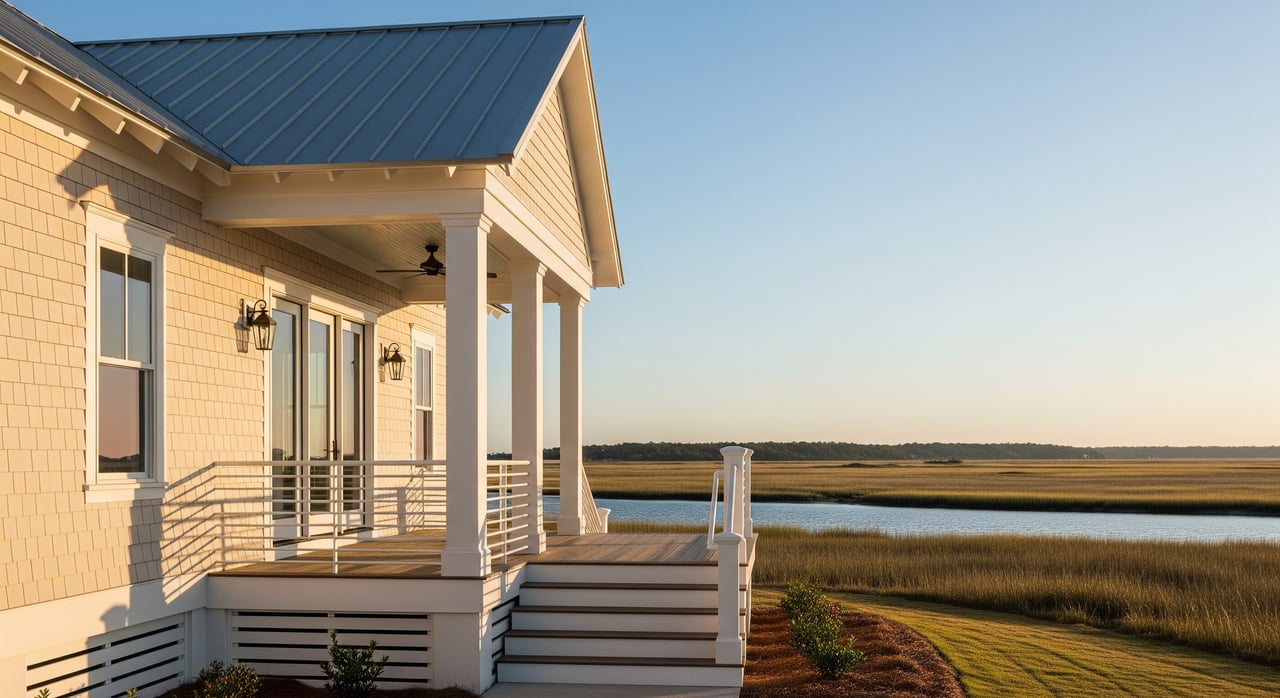
You love the sea breeze and sunshine that come with a Hampstead home. The tradeoff is real: salt, storms, and humidity work on your house every day. With a simple seasonal plan, you can protect your investment, avoid surprise repairs, and enjoy more beach time with less upkeep stress. Below is a practical checklist tailored to Pender County’s coastal climate so you know what to do and when to do it. Let’s dive in.
Why coastal maintenance matters in Hampstead
Hampstead sits in North Carolina’s humid subtropical coastal zone with hot, humid summers, mild winters, and year-round precipitation. Salt-laden air accelerates corrosion and breaks down paint and finishes, especially after onshore winds and storms. Hurricanes and tropical storms are possible June through November, with the highest risk typically in August through October. High humidity, warm temperatures, and local termite pressure increase the risk of mold, wood rot, and insect activity. Floodplain mapping and local codes also influence upgrades like shutters, impact-rated windows, and elevation details.
Your seasonal checklist
Use this plan as a baseline. Increase frequency the closer you are to open water, and always do extra checks after major storms.
Spring: March–May
- Rinse exterior surfaces to remove winter salt and dust. Wash siding, railings, metal fixtures, pool equipment, and boat lifts. Repeat every 1–3 months based on exposure.
- Clear gutters and downspouts. Flush lines and check for standing water and leaks.
- Inspect the roof. Look for lifted shingles, missing flashing, and loose fasteners. Repair before hurricane season.
- Clean decks with low pressure. Clear debris between boards and around ledger connections. Inspect joists and flashing for rot.
- Recoat deck sealant or stain as needed.
- Service the A/C. Rinse condenser coils with freshwater, verify airflow clearance, and change filters.
- Check for pests and moisture. Look for termite mud tubes and visible mold. Review crawlspace ventilation and vapor barrier.
- Trim trees and branches away from the roof and lines. Confirm grading pushes water away from the foundation.
- Inspect and recaulk windows and doors. Test weatherstripping and operate shutters and storm hardware.
Summer: June–August
- Manage interior humidity. Confirm your HVAC and dehumidifiers are keeping spaces comfortable, especially in closets and enclosed rooms.
- Increase freshwater rinses after windy or salty days. Focus on outdoor metal, railings, grills, and furniture.
- Prepare for storms. Check storm panels, shutters, and straps. Service portable generators and organize fuel storage according to safety guidelines.
- Maintain landscaping. Remove dead vegetation that can become windborne debris and keep buffers healthy.
- Check deck hardware. Tighten fasteners and replace corroded connectors promptly.
Fall: September–November
- Pre-storm prep during peak season. Secure outdoor items, prune hazardous limbs, and verify shutter hardware and anchoring.
- Test sump pumps and any battery backups. Review insurance details like wind and hurricane deductibles and evacuation plans.
- If a storm hits, do a careful post-storm inspection. Check roof, siding, windows, and foundation. Document findings for insurance.
- Rinse salt residues soon after a storm to slow corrosion.
- Touch up exterior paint and sealants as temperatures allow.
- Schedule fall HVAC service. Clean and, if recommended by the manufacturer, cover exterior coils for winter.
Winter: December–February
- If you own a second home, winterize for vacancies. Shut off the main water and drain lines, or install an automatic leak-detection and shutoff system.
- Set the thermostat to safe levels and maintain humidity control. Many owners leave HVAC on with a moderate setpoint.
- Turn off power to nonessential appliances and drain irrigation lines.
- Arrange property checks and routine yard care if you will be away for long periods.
- Replace smoke and carbon monoxide detector batteries.
- Inspect for moisture and run ventilation or a dehumidifier periodically.
- Check attic ventilation, insulation, and vent screens to reduce condensation and pest entry.
Corrosion-smart materials and finishes
- Rinse regularly. Freshwater rinses every 1–3 months, and after storms, help slow salt buildup on siding, hardware, and mechanicals.
- Choose coastal-grade fasteners. Use 316 stainless steel for exposed hardware where possible. For structural connections like ledgers and joist hangers, use hot-dip galvanized or stainless specified for coastal exposure. Avoid mixing dissimilar metals without barriers.
- Use high-quality exterior paints. 100% acrylic latex topcoats and timely touch-ups protect against UV and salt.
- Be proactive with mechanicals. Rinse condenser coils, maintain 2–3 feet of clearance for airflow, and address rust on panels and fittings quickly.
- Opt for higher-performance materials near the shoreline. Consider composite or PVC trim, capped composite decking, and roofing designed for coastal exposure.
Decks, windows, and doors
- Decks and exterior wood: Clean annually, then seal or stain based on the product schedule. Inspect fasteners, flashing, and joists each year, and replace corroded connectors promptly.
- Material choices: Pressure-treated lumber is common, but capped composites or tropical hardwoods reduce maintenance and resist salt better.
- Windows and doors: Inspect perimeter caulking and sill flashing to prevent leaks. Check insulated glass for fogging, which signals seal failure.
- Tracks and hardware: Clean and lubricate sliding door tracks and confirm rollers and locks work smoothly.
- Impact upgrades: Some coastal zones encourage or require impact-rated glazing or storm shutters. Review local code and insurance incentives before you upgrade.
Drainage, landscaping, and pests
- Keep water moving away from the structure. Maintain gutters, extend downspouts, and confirm grading slopes away from the foundation.
- Use coastal-appropriate plantings. Vegetated buffers and windbreaks can reduce salt spray and wind exposure.
- Stay ahead of termites and moisture insects. Schedule annual termite inspections. Reduce wood-to-soil contact, fix leaks quickly, and keep vegetation from touching the house.
Flood and storm readiness
- Know your flood zone and any elevation certificate requirements. This affects insurance and mitigation choices.
- Maintain sump systems and backup power if you have them. Test before hurricane season.
- Understand insurance details. Review wind and hurricane deductibles and any vacancy clauses if the home may sit empty.
- After a storm, document damage immediately with photos and follow insurer timelines for reporting.
Your annual maintenance calendar
- Annual: Full exterior inspection, roof check by a professional, HVAC service, termite and pest inspection, exterior electrical safety review.
- Every 1–3 years: Recoat decks and inspect coastal-exposed fasteners and hardware. Touch up exterior paint and caulking.
- After major storms: Rinse exterior surfaces promptly. Do targeted inspections for leaks, corrosion, and structural concerns, and call licensed pros if issues appear.
When to hire a pro
- Bring in licensed contractors for roofing problems, structural deck or ledger issues, electrical faults, persistent mold, flood damage, and major corrosion.
- Choose providers with coastal experience in Pender County. Verify licensing, insurance, and references before work begins.
Make coastal upkeep easier
A steady rhythm of rinsing, sealing, servicing, and storm prep will keep your Hampstead home resilient and looking great. If you are planning a sale or purchase, or you want local guidance on which maintenance upgrades add the most value before you list or shop, reach out to Joseph Zuba for neighborhood-specific advice and next steps.
FAQs
What makes Hampstead coastal maintenance unique?
- Salt-laden air, seasonal hurricane risk, high humidity, and strong UV exposure accelerate corrosion, wear, and moisture issues, so you need more frequent rinsing, inspections, and storm readiness than inland homes.
How often should I rinse salt from my home?
- Plan a freshwater rinse every 1–3 months, increasing frequency if you are closer to open water, and always rinse after wind events or storms to slow corrosion.
Which deck fasteners work best near salt spray?
- Use 316 stainless for exposed fasteners where feasible and hot-dip galvanized or stainless for structural connectors; avoid mixing dissimilar metals without isolation.
What should I check after a tropical storm?
- Inspect the roof, siding, windows, and foundation; photograph any damage; rinse salt residue promptly; and review for leaks, corrosion, or structural concerns before calling licensed pros.
How do I prep a second home for winter in Hampstead?
- Shut off and drain water lines or install an automatic leak shutoff, set safe thermostat and humidity control, power down nonessential appliances, arrange periodic property checks, and refresh detector batteries.