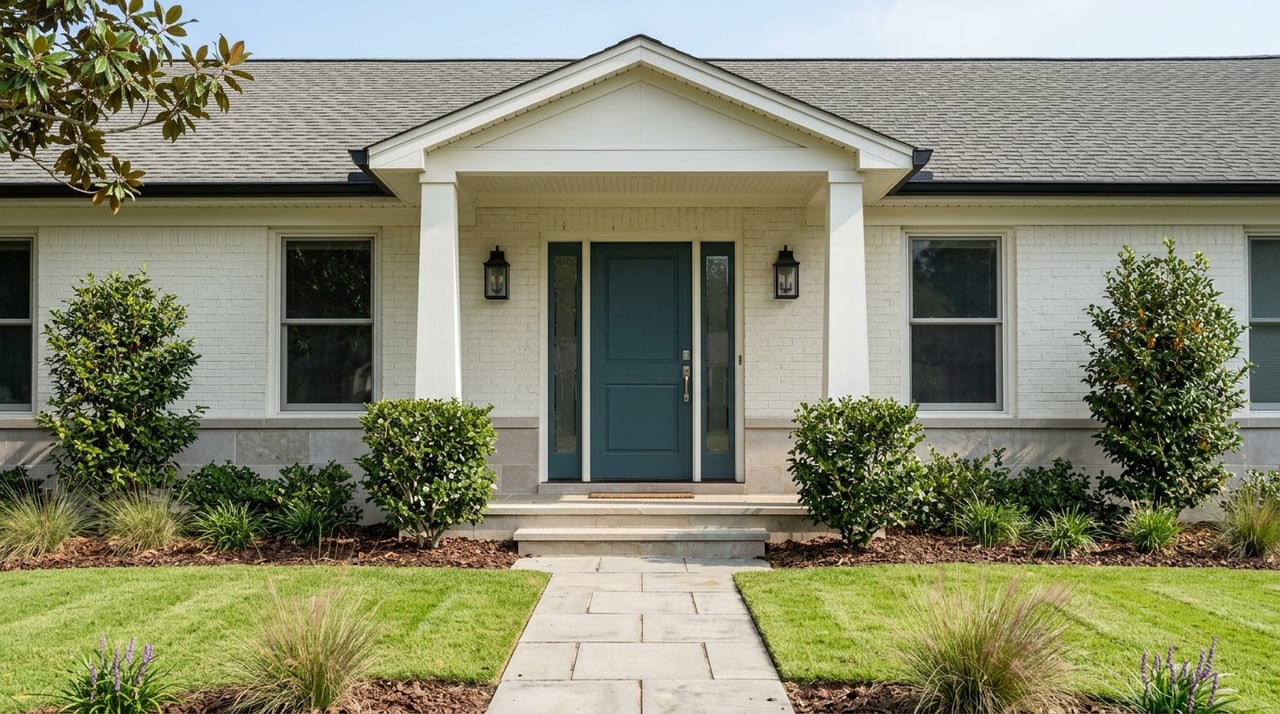
Thinking about selling your home in Jacksonville, NC? You may be seeing homes move fairly quickly, but that does not mean you can skip the basics. In this market, pricing, presentation, and timing still play a big role in how smoothly your sale comes together and how strong your final terms look. If you want a clearer path from prep to closing, this step-by-step guide will walk you through what to expect. Let’s dive in.
Start With Market Positioning
Jacksonville sellers are working in a market where homes are still selling, but buyers are paying attention to value. Recent market snapshots show homes moving in about 40 to 47 days, with sale-to-list ratios around 99% to 100% in Jacksonville and Onslow County. That tells you demand is present, but it also suggests buyers are not blindly overpaying.
For you, that means a smart launch matters. A home that is clean, well presented, and priced with care is more likely to attract serious interest early. If you come out too high, you may lose momentum during the first days on market when attention is usually strongest.
Choose the Right Listing Strategy
Before you share detailed information about your property, expect an agency discussion with any North Carolina broker you interview. The North Carolina Real Estate Commission requires brokers to provide the Working With Real Estate Agents disclosure at first substantial contact. This helps you understand who represents whom and what that relationship means.
A strong listing strategy should go beyond putting a home in the MLS. You want a plan for pricing, photography, marketing, showing coordination, and negotiation. For sellers in the Jacksonville area, especially those balancing relocation or military-related timing, clear communication and organized execution can make a major difference.
Prepare Your Home Before Listing
First impressions count online and in person. The research shows staging and polished visual marketing can help buyers picture themselves in a home, and it may even support a stronger offer. Photos, video, and virtual tours are especially valuable when buyers are relocating or shopping from a distance.
Before listing, focus on the basics that help your home feel cared for and easy to understand. You do not need perfection, but you do want a clean, cohesive presentation.
Key Pre-Listing Tasks
- Deep clean the home
- Declutter rooms, counters, and storage areas
- Handle small maintenance issues you already know about
- Improve curb appeal with simple exterior touch-ups
- Gather utility, HOA, and property records
- Make a plan for professional photos and marketing materials
If your home is in a neighborhood with an owners' association, gather dues, contact details, transfer fee information, and any required community documents early. That information may be needed during the sale process, and waiting to collect it can create delays.
Understand North Carolina Disclosures
In North Carolina, many residential sales fall under Chapter 47E. In most ordinary residential transactions, the owner must provide a residential property disclosure statement no later than when the buyer makes an offer. If the property is subject to an owners' association or mandatory covenants, an additional disclosure is also required when applicable.
These disclosures cover major systems and conditions, such as water and sewer, structure, mechanical systems, insects, zoning, covenants, and environmental issues. The owners' association disclosure can include dues, services, transfer fees, judgments, and pending lawsuits involving the association. Not every transfer uses the same disclosure package, though, because some statutory exemptions apply.
Why Accuracy Matters
North Carolina sellers can face civil liability for knowingly hiding material latent defects. A material fact is any fact that could affect a reasonable person's decision to buy, sell, or lease a property. If you learn that something in your disclosure is materially inaccurate after delivery, the corrected disclosure should be sent promptly.
If your home was built before 1978, federal lead-based paint rules also apply. You must disclose known lead-based paint hazards before contract, and buyers receive a 10-day opportunity for inspection or risk assessment.
Price With Today’s Buyers in Mind
Pricing is one of the biggest decisions you will make. Even in a market where homes are still moving, buyers compare condition, updates, and location very carefully. A home priced in line with current market expectations is more likely to attract stronger early activity and cleaner negotiations.
Onslow County’s next countywide revaluation is effective January 1, 2026, and it updates assessed values to reflect market conditions as of that date. That matters because tax assessments and market value are not the same thing, but changing assessments can still shape seller expectations and affect prorations during closing.
A thoughtful pricing approach should consider:
- Recent local sales and active competition
- Your home’s condition and presentation
- Any standout features or needed repairs
- Current days on market trends
- Likely buyer financing types and appraisal sensitivity
Go Live With Strong Marketing
Once your home is ready, your launch should feel polished and intentional. That means strong listing photos, accurate property details, and a showing plan that works with your schedule. In a market connected to Camp Lejeune and broader relocation activity, some buyers may be shopping on tight timelines or from outside the area.
That is one reason digital presentation matters so much. Buyers who cannot tour right away may make showing decisions based on photos and virtual materials first. If your home looks clear, bright, and well prepared online, you create a stronger reason for them to take the next step.
Prepare for Showings and Offers
Jacksonville’s military-adjacent market can influence showing patterns and closing schedules. Camp Lejeune sits in Onslow County, next to Jacksonville, and that creates a buyer pool that can include military and relocation-driven households. In practical terms, you may need to be flexible with showing windows and responsive when interest comes in.
When offers arrive, do not focus only on price. Terms matter too, including due diligence timing, financing, repair expectations, and proposed closing date. The best offer is often the one that balances price with a realistic path to the closing table.
Know How Due Diligence Works
North Carolina’s due diligence period is negotiated, and it is a meaningful part of the contract. Before that period expires, the buyer may terminate for any reason or no reason by written notice. That means you should treat due diligence as an active decision window, not just a waiting period.
During due diligence, buyers commonly schedule inspections, review restrictive covenants, check flood hazards and insurance, pursue loan approval, and may order an appraisal or survey. This is also the stage when repair requests often come up.
What Sellers Should Watch During Due Diligence
- Inspection findings
- Repair requests or credits
- Appraisal results
- Title or survey concerns
- Insurance or flood-related questions
- Requests to extend the due diligence timeline
The due diligence fee, if any, is negotiated and generally nonrefundable. If the buyer moves past due diligence and later cannot close, earnest money may be at risk. If you agree to repairs, they must be completed in a good and workmanlike manner before settlement, and the buyer may verify them during the final walkthrough.
Handle Repairs Carefully
Repair negotiations are optional and fully negotiable. You are not automatically required to fix every issue a buyer raises, but any agreement you do make should be clear and realistic. Casual promises can create confusion later, especially if the work affects the closing schedule.
If the parties agree to extend the due diligence period, that extension should be in writing. If a property condition changes and affects your prior disclosure, update the disclosure right away so negotiations stay based on current facts.
Clear Title and Closing Details Early
A smooth closing often starts well before closing day. In North Carolina, the closing is typically handled by a licensed North Carolina attorney, or a non-attorney acting under direct supervision. The attorney examines title, prepares and reviews documents, and makes sure the deed is recorded before sale funds are disbursed from trust.
That title review may look for deeds of trust, judgments, unpaid taxes, easements, and use restrictions. If you uncover an issue early, you have a better chance of solving it without last-minute stress. This is especially important if your timeline is tight.
Plan for Closing Costs and Timing
Sellers in North Carolina should be aware of the state excise tax on conveyances. The tax is $1 per $500, or fractional part of the consideration or value, and it is paid by the transferor before recording. Onslow County also has an added recording requirement: the Register of Deeds will not accept a deed without certification that there are no delinquent ad valorem taxes and that the deed includes the grantee’s mailing address.
You should also keep homeowner’s insurance in force until you have received your sale proceeds. Funds are disbursed only after the required documents and recording steps are complete, so it is important not to cancel coverage too early.
Consider VA and Military-Adjacent Buyers
In the Jacksonville area, some buyers may be using VA-backed financing or relocating around duty schedules. VA-backed buyers can bring appraisal and repair sensitivity because the appraiser checks value and minimum property requirements, and the loan amount is limited by the appraised value or purchase price, whichever is lower.
For you, that means flexibility can help. If you can accommodate showings, respond quickly to requests, and plan realistic closing dates, you may create a smoother experience for military or relocation-driven buyers. In a market tied closely to Camp Lejeune, that practical mindset can be a real advantage.
A Simple Jacksonville Selling Checklist
If you want to keep the process organized, use this quick checklist:
- Interview a broker and review agency disclosure
- Review market data and set a pricing strategy
- Prepare the home for photos and showings
- Gather disclosures, HOA details, and key records
- Launch with strong marketing materials
- Review offers based on price and terms
- Navigate due diligence with care
- Resolve repairs and title issues promptly
- Plan for taxes, recording requirements, and closing timing
- Keep insurance active until proceeds are received
Selling your home in Jacksonville is not just about putting a sign in the yard. It is about making smart choices at each stage so your sale stays on track from listing to closing. With the right preparation, a clear strategy, and responsive guidance, you can move through the process with a lot more confidence.
If you are getting ready to sell in Jacksonville or the surrounding coastal North Carolina market, Joseph Zuba offers high-touch, local guidance to help you prepare, price, market, and negotiate with clarity.
FAQs
What disclosures do sellers usually need in Jacksonville, NC?
- In many ordinary North Carolina residential sales, you must provide a residential property disclosure statement no later than when the buyer makes an offer, and an owners' association disclosure if the property is subject to applicable association rules or mandatory covenants.
What is due diligence in a Jacksonville, NC home sale?
- Due diligence is a negotiated contract period in North Carolina during which the buyer can investigate the property and may terminate by written notice before the deadline for any reason or no reason.
What repairs must a seller make during a Jacksonville, NC transaction?
- Sellers are not automatically required to make repairs, but if repairs are agreed to in the contract, they must be completed in a good and workmanlike manner before settlement.
What closing costs should a Jacksonville, NC seller expect?
- A seller may need to account for North Carolina’s excise tax of $1 per $500 of value, plus any other negotiated seller expenses, and in Onslow County the deed also needs tax certification before recording.
How does selling a home near Camp Lejeune affect the process?
- Because Jacksonville is closely tied to Camp Lejeune, some buyers may be relocating on military timelines, which can make flexible showings, quick communication, and realistic closing dates especially helpful.
Should Jacksonville, NC sellers keep insurance until closing is complete?
- Yes. Sellers should keep homeowner’s insurance in force until sale proceeds are received because funds are disbursed only after the required closing and recording steps are complete.