Morning walks on the pier. Afternoons on the sand. Evenings watching the sun slide over the sound. If that vision draws you to Surf City, you’re not alone. Whether you’re exploring a second home or relocating full time, you want to know what daily life really looks like on this stretch of Topsail Island. In this guide, you’ll learn how the seasons flow, what amenities you can count on, how housing works near the beach, and the practical details every buyer should check. Let’s dive in.
Surf City at a glance
Surf City is a small barrier‑island town with a coastal, small‑town rhythm. You’ll feel a quiet pace in the off‑season and a lively scene from late spring through summer. The Surf City Pier, the beach, soundside waters, and the bridges across the Intracoastal Waterway are daily touchpoints for residents.
You’ll find a blend of year‑round residents, second‑home owners, retirees, and vacation renters. The commercial core offers groceries, casual dining, boutiques, and marine services. For larger retail, specialty medical, and professional services, you’ll drive to nearby mainland hubs like Wilmington or the Jacksonville area.
Beach life and access
Public beach access points are common, and some areas have lifeguards in season. Parking and rules vary by access, so you’ll want to learn the closest options to any home you consider. Daily in‑season activities typically include swimming, beachcombing, surf fishing, and family time on the sand.
You’ll also notice a strong culture of beach stewardship. Sea turtle nesting season brings lighting and activity restrictions along the beachfront. If you plan exterior work on a beachfront home, expect seasonal rules that protect dunes and wildlife.
On the water: boating and fishing
Protected sounds, the Intracoastal Waterway, and nearshore waters make boating and paddling a big part of local life. Many residents own boats, kayaks, or paddleboards, or book local charters for fishing and cruising. Public boat ramps and small marinas serve the area, though slip availability can tighten in peak season.
Recreational fishing is a year‑round draw. You’ll find surf casting along the beach, sound fishing for inshore species, and charter options for nearshore trips. Local bait and tackle shops help you match conditions and seasons.
Dining, shopping, and services
Expect a casual coastal mix built around seafood and family‑friendly spots, with a handful of places open year‑round. You can take care of daily needs on the island with convenience and grocery options. For big‑box shopping, specialty services, or major medical, plan a short drive to the mainland.
Community events matter here. Seasonal festivals, fishing tournaments, farmers markets, and holiday parades add to the local feel. The off‑season shifts to a quieter pace with civic groups and smaller cultural activities.
Housing and neighborhoods
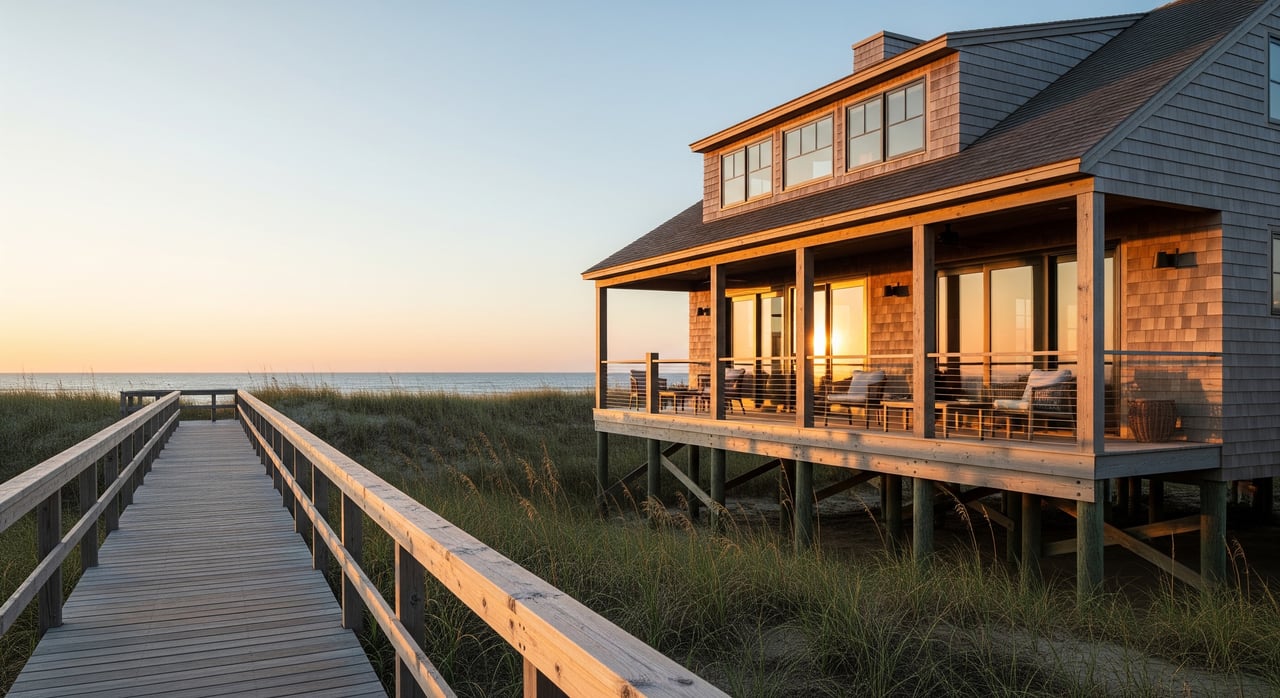
The classic Surf City home is elevated on piers with parking and storage below. Many newer homes are multi‑story to meet FEMA elevation requirements and to capture ocean or sound views. You’ll also see duplexes and condos, especially in areas designed for easy maintenance and rental appeal.
Lots are often narrow and deep, shaped by island geography. Soundside parcels may be larger, while oceanfront lots maximize frontage and view corridors. Coastal materials and wind mitigation features are common in modern builds, and renovations are frequent as homes adapt to current codes and lifestyle needs.
Ownership patterns
Surf City supports both year‑round living and a robust second‑home market. Many owners use their property seasonally and rent it to vacationers when they’re away. Rental management companies operate locally, and year‑round residents include retirees, commuters to mainland jobs, and remote workers who value the coastal setting.
HOAs, rentals, and local rules
Condo and planned communities often have HOAs with rules and fees. Review covenants and restrictions closely, especially around parking, exterior maintenance, and rentals. If you plan to host short‑term guests, verify town ordinances, business license requirements, and any registration steps, along with HOA rules.
Flood, wind, and insurance
Barrier‑island living brings special insurance and construction considerations. Many properties lie in FEMA flood zones, and elevation relative to base flood elevation helps determine requirements and premiums. Wind exposure influences building design and can affect insurance pricing.
It’s smart to get quotes for homeowners, wind, and flood coverage early in your search. Ask for any available elevation certificates and confirm the home’s mitigation features. A clear view of insurance costs will help you right‑size your budget and compare properties fairly.
Seasonality and the market
Surf City’s real estate market follows the beach season. Spring and summer are the busiest for listings, showings, and closings. Inventory and demand can shift with the calendar, so timing may influence your options.
Pricing varies by proximity to the beach or sound, elevation, views, and rental potential. Use recent closed sales and up‑to‑date local market reports to ground your decisions. If rental income is part of your plan, model realistic occupancy and net revenue after management, maintenance, taxes, and HOA fees.
Everyday logistics for residents
Schools and childcare
Surf City is served by Pender County Schools. Always verify specific school assignments by property address, and consider that some extracurriculars or childcare options may be on the mainland. Daily school commutes can involve crossing the bridge.
Healthcare and emergency services
You’ll find local primary or urgent care options nearby, while major hospitals and specialists are in larger cities like Wilmington and the Jacksonville area. Drive times typically range from about 20 to 40 minutes, depending on traffic and season.
Surf City maintains local police and fire services. County and state emergency management coordinate hurricane planning and any evacuation orders.
Utilities, internet, and municipal services
Some areas have municipal water and sewer while others rely on septic. Confirm the utility setup for each property you consider. Internet options vary by location, and mobile coverage can have spotty areas, so test service at the property.
The town manages trash and recycling pickup along with seasonal beach parking rules. HOAs may have additional parking guidelines, especially for boats or trailers.
Getting around and commute
The island connects to the mainland by bridges that can bottleneck during peak summer weekends and during storm evacuations. Public transit is limited, so most residents rely on private vehicles. If you plan to commute to Wilmington or other employment centers, drive the route at peak times to see the real impact.
Hurricane season and preparation
Hurricane season officially runs from June 1 to November 30. Build preparedness into your home and routine. Review evacuation routes and bridge protocols, confirm that utilities and mechanicals are elevated, and ask about storm shutters or protection systems. After significant storms, expect debris removal, permitting, and contractor availability to affect timelines.
Is Surf City a fit for you
- You want a small‑town beach lifestyle with quiet winters and lively summers.
- You plan to use a home seasonally and may rent it when you are away.
- You’re comfortable with coastal considerations like flood zones, wind exposure, and insurance planning.
- You value easy access to the beach and water, and you do not mind driving to the mainland for larger retail or specialized care.
Smart buyer checklist
- Obtain a recent survey and review FEMA flood maps and any elevation certificates.
- Request property‑specific quotes for homeowners, wind, and flood insurance.
- Review HOA documents, covenants, and rental policies if applicable.
- Confirm utilities, septic vs. sewer, and internet options at the address.
- Verify school assignments and check transportation needs.
- Drive the commute over the bridge at peak times and during weekends.
- If considering rentals, ask for historical occupancy and net income figures.
- Review local rules for beach access, parking, and short‑term rental licensing.
Work with a local advocate
Choosing the right coastal home means balancing lifestyle and logistics. You deserve clear answers, strong negotiation, and a steady guide from first showing to closing. If you want concierge‑level service with deep Topsail Island expertise, connect with Joseph Zuba to schedule a free consultation.
FAQs
How busy is Surf City in peak season?
- Expect a quiet off‑season and a noticeable jump in visitors and weekend traffic in late spring and summer, especially around the bridges and beach accesses.
Do most Surf City homes require flood insurance?
- Many properties are in FEMA‑mapped flood zones. Request a flood determination, elevation certificate, and property‑specific insurance quotes early in your due diligence.
What are the rules for short‑term rentals in Surf City?
- Rules vary by town ordinance and HOA. Verify any licensing or registration requirements with the town and confirm rental policies in your community documents.
What home styles are common on Topsail Island?
- Elevated, multi‑story beach houses are typical, along with duplexes and condos designed to capture views and meet coastal building standards.
How long is the drive to major services from Surf City?
- Larger retail, hospitals, and specialists are on the mainland in cities like Wilmington and the Jacksonville area, generally a 20 to 40 minute drive depending on traffic.
Is boating access easy for residents?
- Yes. There are public ramps and small marinas serving the sound and Intracoastal Waterway, though slips can be limited during peak season.