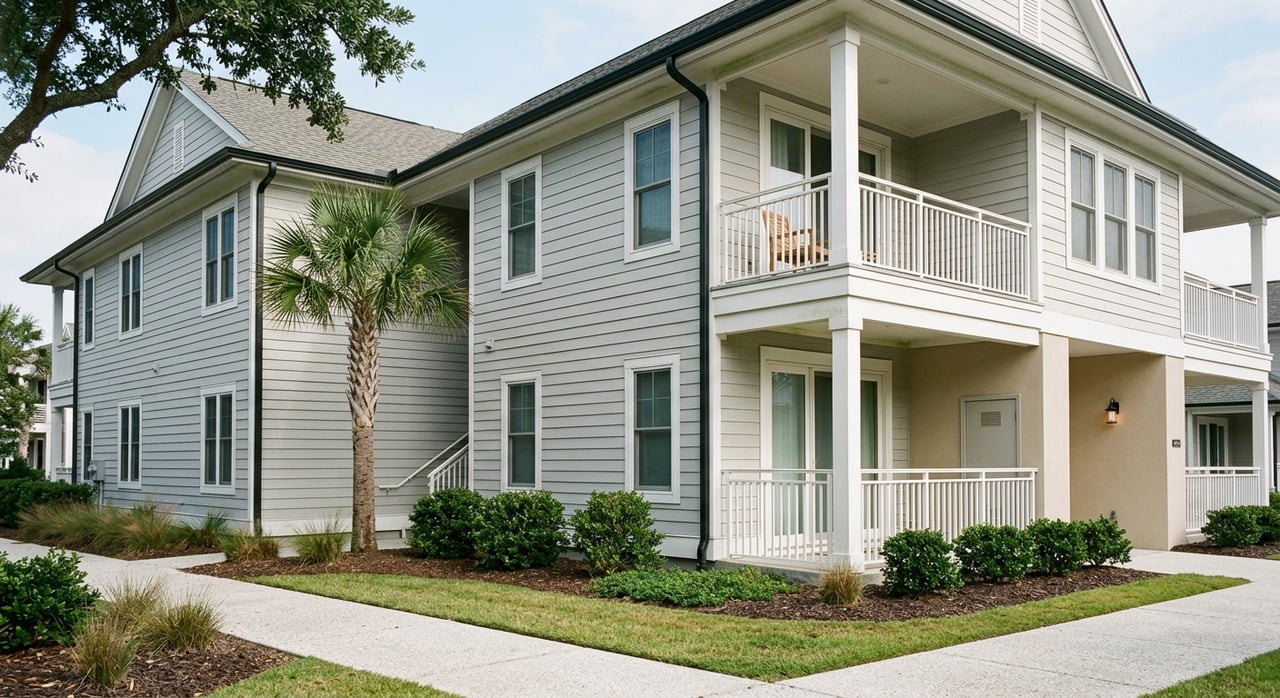
Trying to decide between a condo and a coastal home in Wilmington? It is one of the biggest lifestyle choices you can make in this market, because your decision affects not just how you live, but how much time, upkeep, and planning your property will require. If you want a clearer way to compare the two, this guide will walk you through maintenance, insurance, ownership structure, and daily lifestyle tradeoffs in Wilmington. Let’s dive in.
Why Wilmington makes this choice unique
Wilmington offers a mix of downtown convenience and easy coastal access that makes both condos and single-family homes appealing. The city’s 1.75-mile Riverwalk connects you to parks, dining, shopping, museums, and the River to Sea Bikeway, which runs from Downtown to Wrightsville Beach.
If beach access is part of your lifestyle, Wrightsville Beach adds another layer of appeal with 44 designated public beach access locations. That means many buyers are not just choosing a property type. You are also choosing how you want to enjoy the coast.
At the same time, coastal ownership in Wilmington comes with practical considerations. New Hanover County and the City of Wilmington both maintain floodplain programs, and local flood risk can come from heavy rain, coastal storms, storm surge, and overflow. That makes flood awareness part of the condo-versus-home conversation from the start.
Condos in Wilmington: what ownership looks like
A condo can be a great fit if you want a more hands-off ownership experience. In North Carolina, the condo association is generally responsible for maintaining, repairing, and replacing common elements, while you as the owner are responsible for your individual unit.
That setup can simplify day-to-day life, especially if you would rather spend your time on the Riverwalk, biking toward the beach, or enjoying a second home instead of managing exterior repairs. For many buyers, that shared maintenance model is one of the biggest reasons to choose a condo.
What condo dues usually mean
Condo dues are important, but they are only part of the story. North Carolina law requires association disclosures that identify the association, dues, services paid by dues, approved special assessments, lawsuits, and transfer fees.
That means you should look beyond the monthly number. A lower fee may not always mean lower long-term cost if reserves are weak or special assessments are pending.
Why condo documents matter
North Carolina law also requires condo and planned-community associations to make financial records available to owners. These records include annual income and expense statements and balance sheets within 75 days after the fiscal year closes.
For you as a buyer, this is valuable due diligence. It gives you a clearer picture of how the association is run, whether the budget appears stable, and how the community has handled maintenance and expenses over time.
Condo insurance in North Carolina
Insurance is one of the most misunderstood parts of condo ownership. In North Carolina, the association must carry property insurance on common elements and liability insurance.
That policy may extend to units if reasonably available, but it does not have to cover owner-installed improvements and betterments. The association’s policy also does not replace the need for your own coverage.
The North Carolina Department of Insurance explains that condo owners typically use a Homeowners Unit-Owners Form for the unit and personal property in the condo. You may also want coverage for items or property that the association’s master policy does not include.
In simple terms, condo insurance often means shared responsibility. The association covers certain building-related items, while you need to confirm what is left for your own policy to handle.
Coastal homes in Wilmington: what ownership looks like
A single-family coastal home gives you more direct control over the property. In most cases, you are responsible for the dwelling itself, the lot, and the improvements on it.
That often appeals to buyers who want more privacy, more storage, room for pets, outdoor living space, or the freedom to personalize the exterior. If you picture a porch, a garage, a garden, or more elbow room, a single-family home may line up better with your goals.
Even so, more control usually means more responsibility. Exterior maintenance, systems, yard care, and storm preparation are more likely to fall directly on you.
HOA rules can still apply
Buying a house does not always mean zero shared governance. In a planned community, the HOA may still maintain common elements, while you remain responsible for your lot and the improvements on it.
That means a single-family home can still come with dues, architectural controls, and shared-amenity obligations. The difference is that you usually gain more freedom over the home and yard than you would with a condo.
Home insurance and flood planning for coastal homes
For most owner-occupied single-family dwellings, the North Carolina Department of Insurance says a homeowners policy is the standard approach. For vacation homes, seasonal homes, and secondary homes, a dwelling fire policy can sometimes be a better fit.
Just as important, standard homeowners coverage often excludes flood. In Wilmington, where flood risk can be tied to rain, coastal storms, storm surge, and overflow, you should confirm flood zone status and whether separate flood coverage may be needed.
This is one of the biggest practical differences between dreaming about a coastal home and owning one. A beautiful property also needs to make sense from an insurance and risk-planning standpoint.
Lifestyle fit: who usually prefers a condo
Condos often make the most sense for buyers who value ease and convenience. That can include second-home buyers, seasonal owners, and downsizers who want to enjoy Wilmington without taking on as much exterior upkeep.
If your ideal day includes walking downtown, visiting the waterfront, or heading toward Wrightsville Beach without thinking much about exterior maintenance, a condo may feel like the better match. The appeal is not just the property itself. It is the lower-maintenance lifestyle that can come with it.
Lifestyle fit: who usually prefers a coastal home
Single-family homes often appeal to buyers who want more autonomy and room to spread out. If you care most about privacy, outdoor space, storage, or the ability to shape the property over time, a house may offer the flexibility you want.
This can be especially appealing for full-time residents or anyone planning around longer-term living needs. The tradeoff is simple: you usually gain more space and control, but you also take on more maintenance and more direct responsibility.
Key questions to ask before you buy
Before you tour condos or coastal homes in Wilmington, it helps to have a short list of practical questions ready. These questions can help you compare options more clearly and avoid surprises later.
- What do the dues cover, if any?
- Are any special assessments approved or pending?
- How is insurance handled by the association, if there is one?
- Is the property in or near a flood-prone area?
- Are there restrictions on rentals, pets, or exterior changes?
- What maintenance responsibilities belong to the owner?
These questions matter because association fees, special assessments, and related items are treated as material parts of the transaction under North Carolina disclosure law. In Wilmington and New Hanover County, floodplain procedures are also an important part of local due diligence.
Condo vs coastal home at a glance
| Factor | Condo | Coastal Home |
|---|---|---|
| Exterior maintenance | More of it is typically handled through the association | Usually handled directly by you |
| Ownership control | More shared governance | More direct control over house and lot |
| Monthly carrying costs | May include dues plus personal insurance | May include insurance, maintenance, and possible HOA dues |
| Insurance structure | Association policy plus your unit-owner coverage | Standard homeowners policy or other property-specific coverage |
| Lifestyle fit | Often suits second-home buyers, seasonal owners, and downsizers | Often suits buyers wanting space, privacy, and flexibility |
How to choose the right Wilmington property for you
The best choice comes down to how you want to live and what kind of ownership experience feels comfortable to you. If you want a simpler, more lock-and-leave setup, a condo may be the stronger fit.
If you want more room, more privacy, and more say over the property, a coastal home may be worth the extra responsibility. In Wilmington, the right answer is rarely just about square footage. It is about matching your lifestyle to the realities of coastal ownership.
When you compare condos and homes with local context in mind, you can make a decision that feels confident now and sustainable later. If you want help sorting through Wilmington options and understanding the tradeoffs that matter most, Joseph Zuba offers thoughtful, high-touch guidance tailored to your goals.
FAQs
What is the main difference between owning a condo and a coastal home in Wilmington?
- In general, condo owners are responsible for their unit while the association handles common elements, while single-family home owners are usually responsible for the home, lot, and improvements directly.
What should you review before buying a Wilmington condo?
- You should review dues, services covered by dues, approved special assessments, lawsuits, transfer fees, and available association financial records.
Does a Wilmington condo association’s insurance cover everything inside your unit?
- No. The association must carry certain property and liability insurance, but that coverage may not include owner-installed improvements, betterments, or all personal property.
Do Wilmington coastal homes always have an HOA?
- No. Some single-family homes are in planned communities with HOAs, while others are not, so you should confirm whether dues, rules, or shared obligations apply to a specific property.
Why is flood planning important when buying in Wilmington?
- Flood risk in the area can come from rain, coastal storms, storm surge, and overflow, so confirming flood zone status and possible flood insurance needs is an important part of due diligence.
Who is usually a better fit for a condo in Wilmington?
- Condos often suit second-home buyers, seasonal users, and downsizers who want a more hands-off ownership experience near downtown or beach amenities.